Staple family
Dumplings & Steamed Buns
Flour, water, rest, and a bamboo steamer.
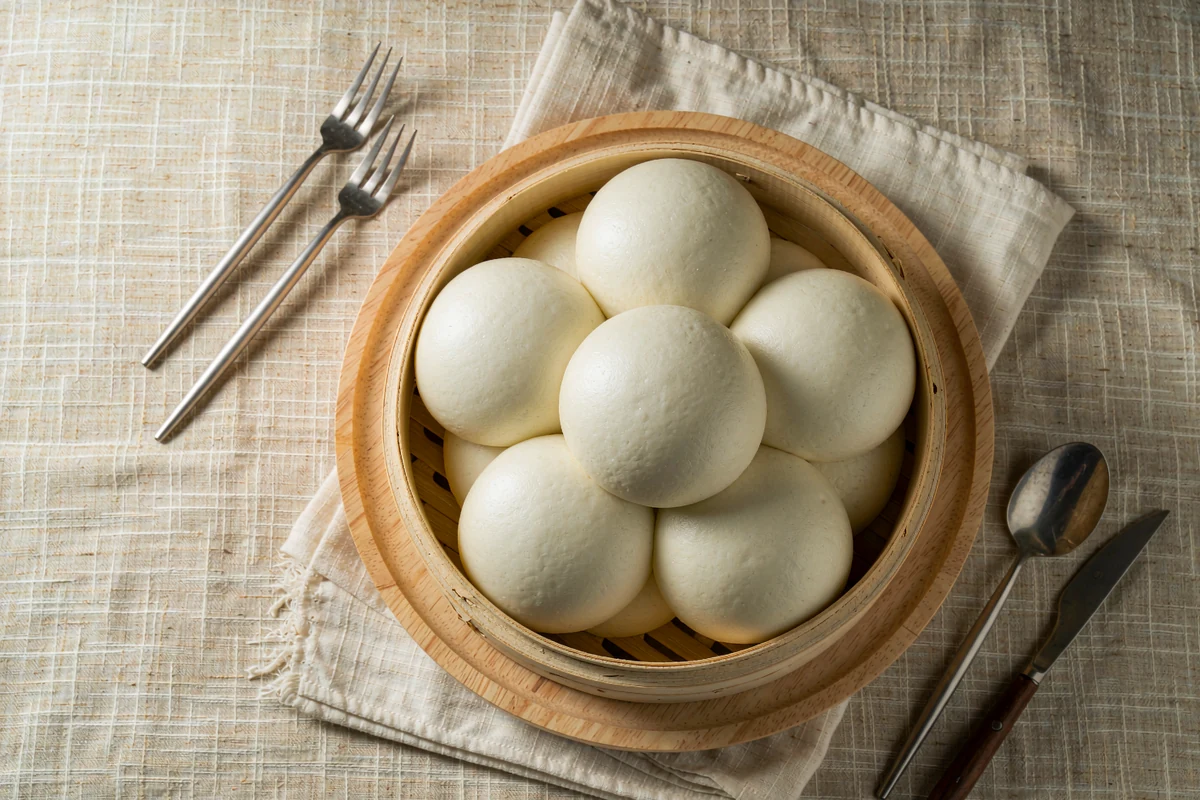
A steamed bun is a small lesson in how flour behaves. Mix too briefly and the dough tears when you shape it; knead too long and it fights back. Resting does most of the work, quietly, while you get on with the filling. The recipes here share one dough family, so learning the mantou batch gives you flower rolls, filled buns and a decent wrapper for whatever is left in the fridge.
In this chapter
6 recipes
Steamed Mantou Buns
Plain wheat dough, proofed twice and steamed over gentle heat, yields tall snowy buns with a tight, springy crumb that pulls apart into soft, faintly sweet layers.
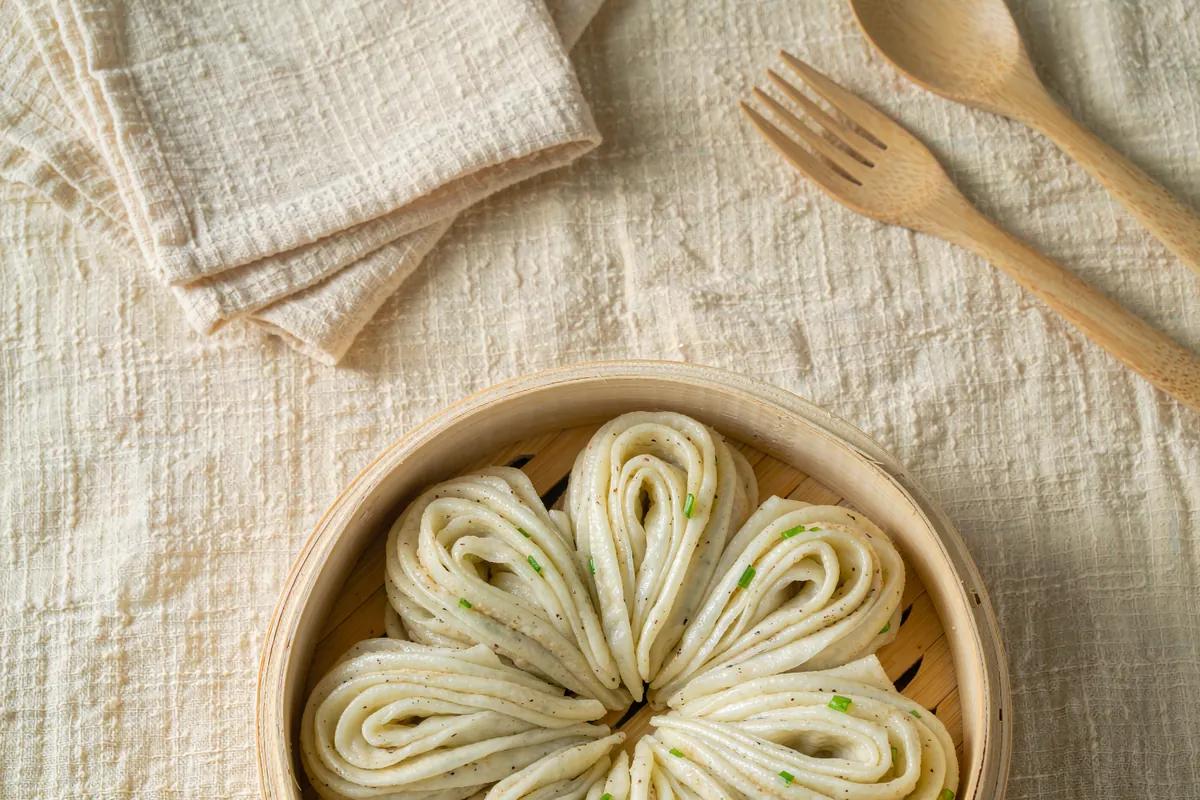
Scallion Flower Rolls
Yeast dough is brushed with scallion oil, folded into a thin ribbon and twisted into layered rosettes that steam into soft, pull-apart spirals with green flecks in every seam.
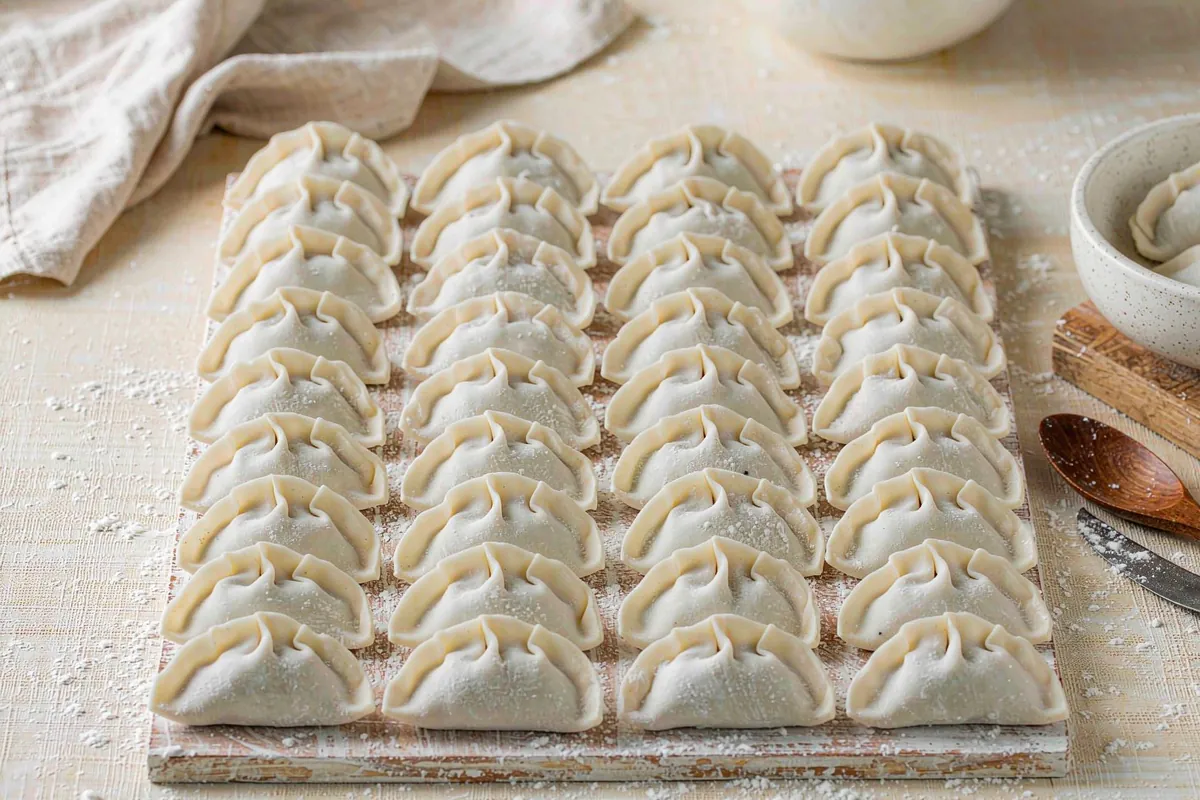
Pork and Cabbage Dumplings
Hand-rolled wheat wrappers hold a salted pork and cabbage filling that releases its own juices; a rolling boil sets the skins while the centres stay firm and faintly peppery.
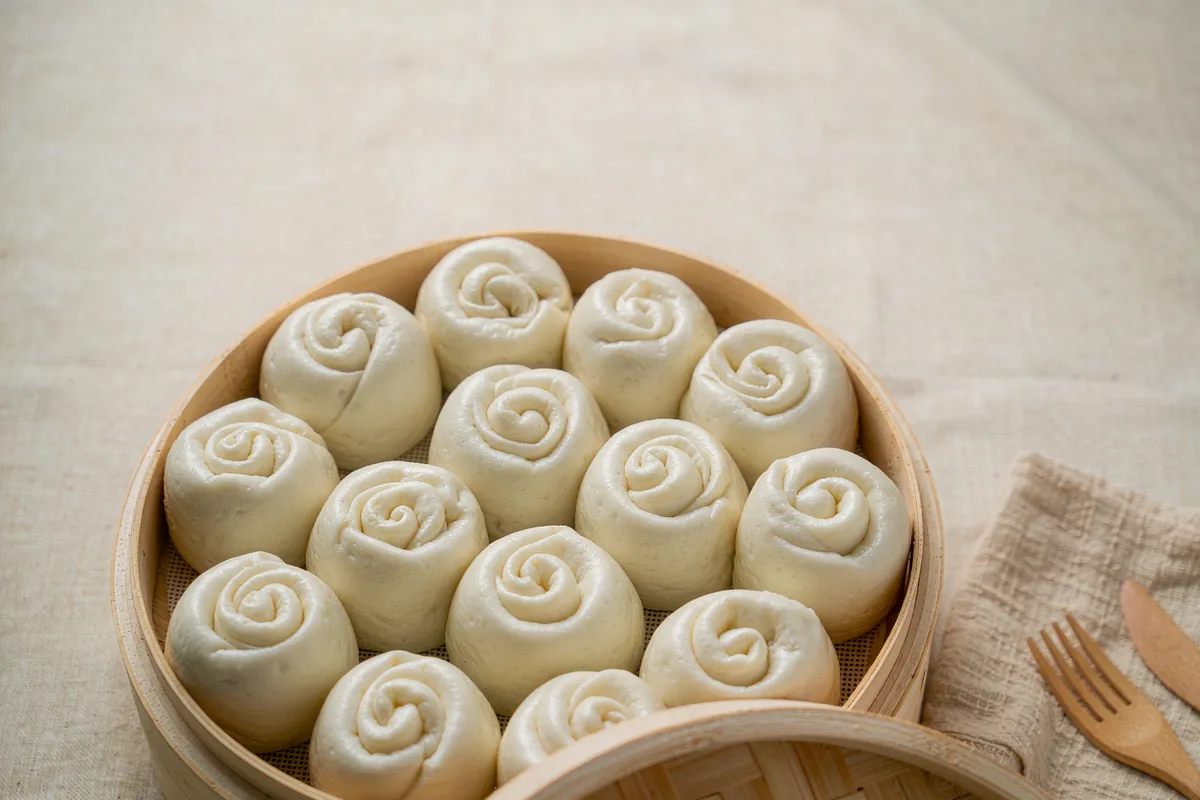
Steamed Vegetable Buns
Fluffy yeast dough wraps a firm, dry filling of cabbage, carrot and mushroom; a short second proof and steady steam give each bun a high crown and a clean, unbroken top.
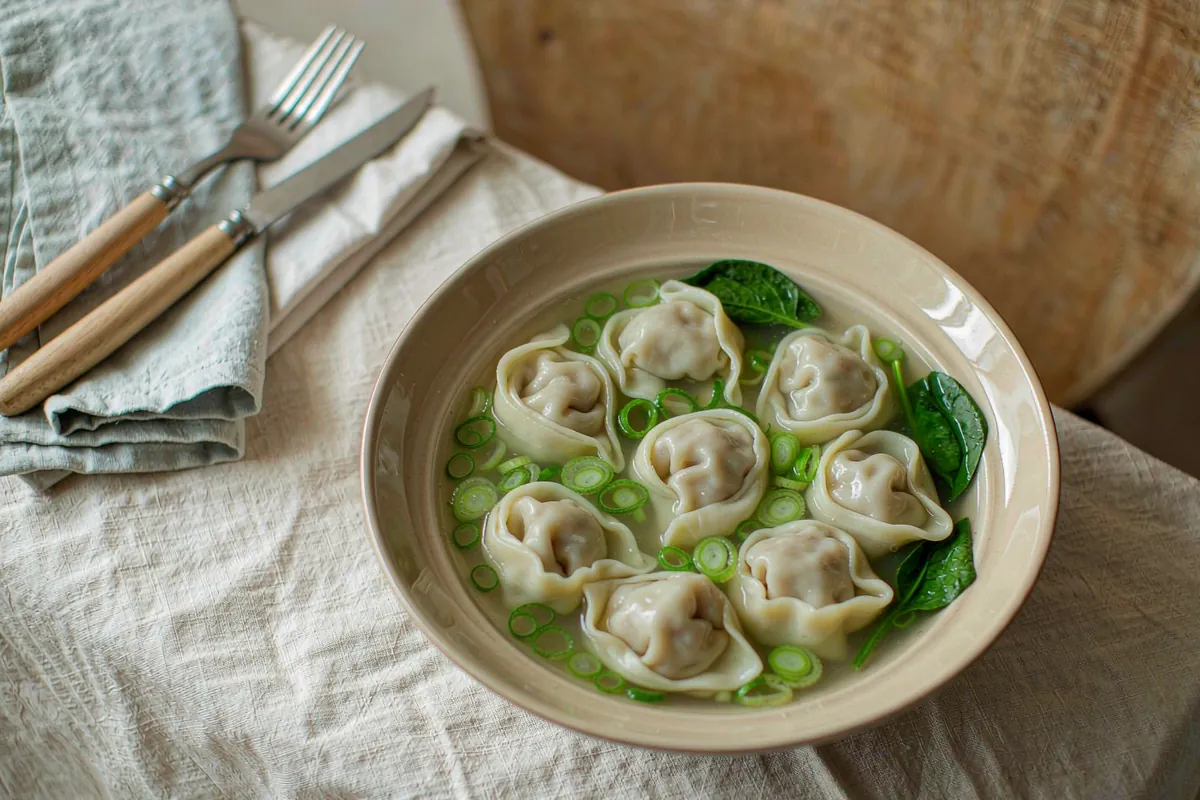
Wontons in Clear Broth
Thin square wrappers folded around a small pork and shrimp ball poach in a clear, ginger-scented stock, so each spoonful carries silky skin, a firm centre and a clean, light broth.
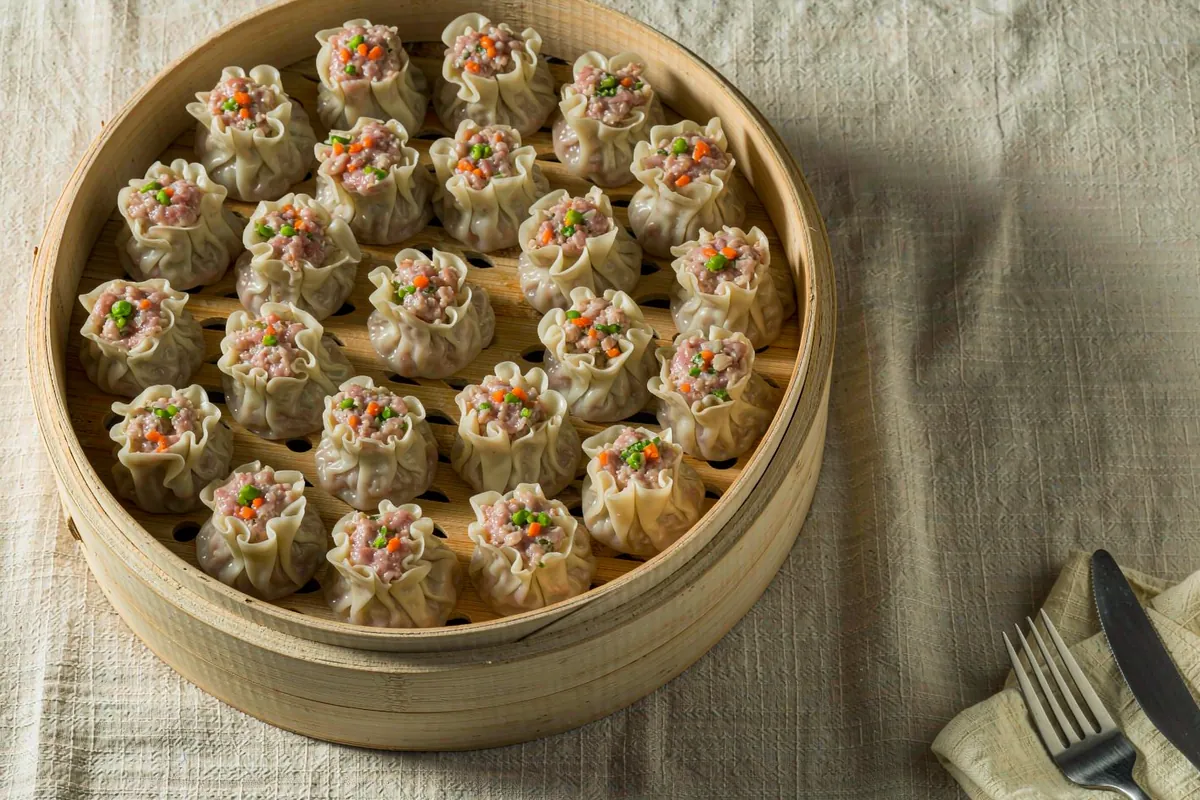
Pork and Shrimp Shumai
Open-topped dumplings with thin pleated walls hold a springy pork and shrimp filling; brief steaming keeps the tops exposed, the skins chewy and a single pea or carrot dot bright on each one.
Flour, Water and Rest: Working with Wheat Dough
The three states of a simple dough, how hydration changes them, and why resting time is an ingredient rather than a pause.
Other staple families
Cooking dumplings at home
The recipes above share a small set of ingredients and one or two pieces of equipment, so it is worth cooking them in sequence rather than at random. Make the simplest one first — it tells you how your pan, your flour or your rice behaves — then move on to the versions that build on it. If you are working from what is already in the kitchen, the full recipe index can filter every chapter at once by ingredient, equipment and time.