Technique note · Foundation · 7 min read
Rice, Water and Heat: A Ratio Field Guide
Why one cup of rice does not always want one cup of water, and how to tell a cooked pot from a steamed one before you lift the lid.
Technique note · Foundation · 7 min read
Why one cup of rice does not always want one cup of water, and how to tell a cooked pot from a steamed one before you lift the lid.
Long-grain jasmine and short-grain rice drink differently. The first wants a lighter hand so the grains stay separate; the second tolerates, and often needs, a little more water to turn plump and slightly sticky. A measuring cup is a volume, but rice is sold by weight, and a heaped cup can be twenty percent more rice than a levelled one. Weigh 150 g per person for a main meal and the ratio stops being a guessing game.
Rinsing is about surface starch, not cleanliness. Swirl the grains in cold water three or four times until the water runs from milky to almost clear, then drain well for a full minute. Wet grains left sitting in a sieve carry their own water into the pot, which is the usual reason a carefully measured batch turns soft.
Bring the pot to a boil uncovered, stir once to release grains stuck to the base, then lid on and heat to the lowest setting. From that moment the water is being absorbed, not boiled away, and every peek costs steam. Twelve to fourteen minutes for white rice, then ten minutes off the heat with the lid still on. That rest is not optional: the moisture equalises from the wet bottom to the drier top.
A rice cooker automates exactly this sequence. Its real advantage is not a different recipe but a thermostat that knows when free water has gone and the temperature starts to climb. If you are cooking on a hob, the equivalent signal is a change in sound: the gentle bubbling drops away to a faint, dry tick.
Chill cooked rice spread out on a tray, uncovered, for at least an hour. The surface dries and the starch firms up, which is why day-old rice fries into separate grains instead of a paste. Keep it no longer than a day in the fridge and reheat it thoroughly; cooked rice left at room temperature is a genuine food safety problem, not a texture preference.
The heat was too high and the lid came off during cooking, so steam escaped before it could finish the upper grains. Lower the flame, keep the lid closed, and give the pot a full ten-minute rest off the heat.
The knuckle method works once you know your pot: water should sit about one finger joint above the levelled rice. It is less precise than weighing, but consistent for the same pan and the same rice brand.
Put it into practice
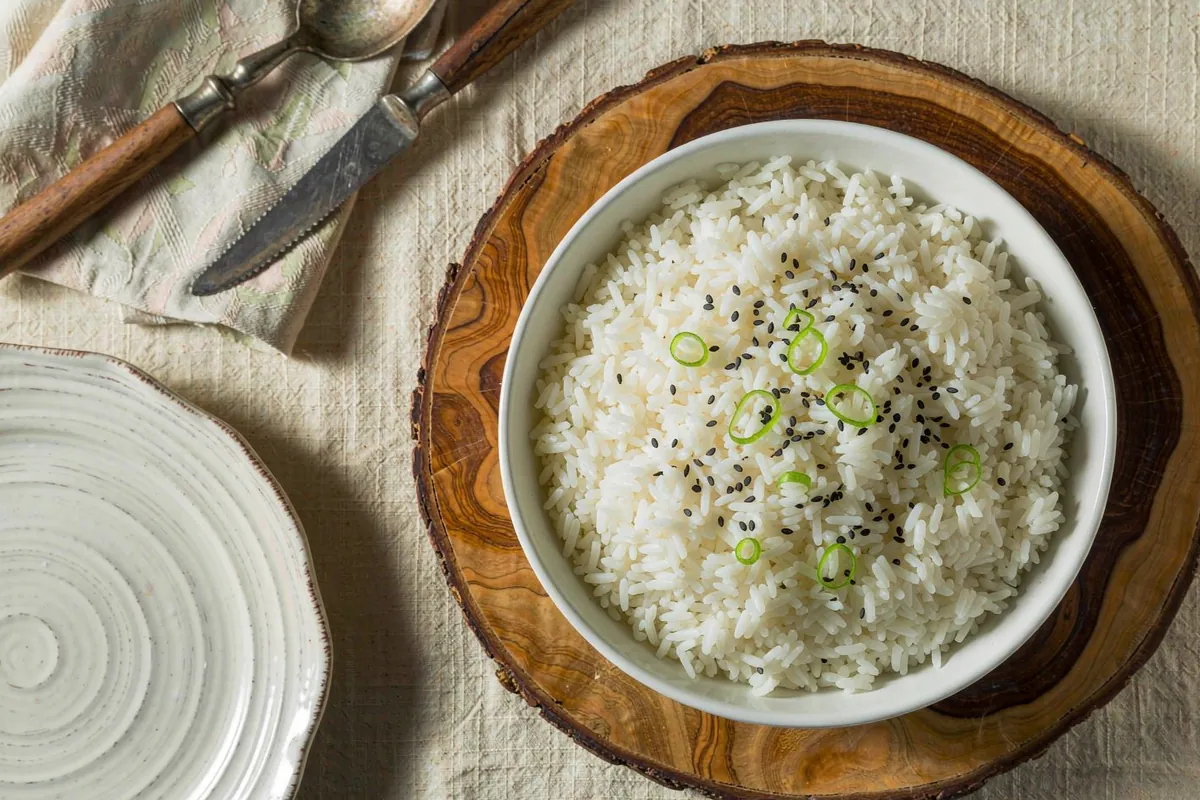
Rinsed jasmine rice, a measured 1:1.2 water ratio and a ten-minute rest give separate, faintly sweet grains with a dry, fluffy top and no stuck crust.
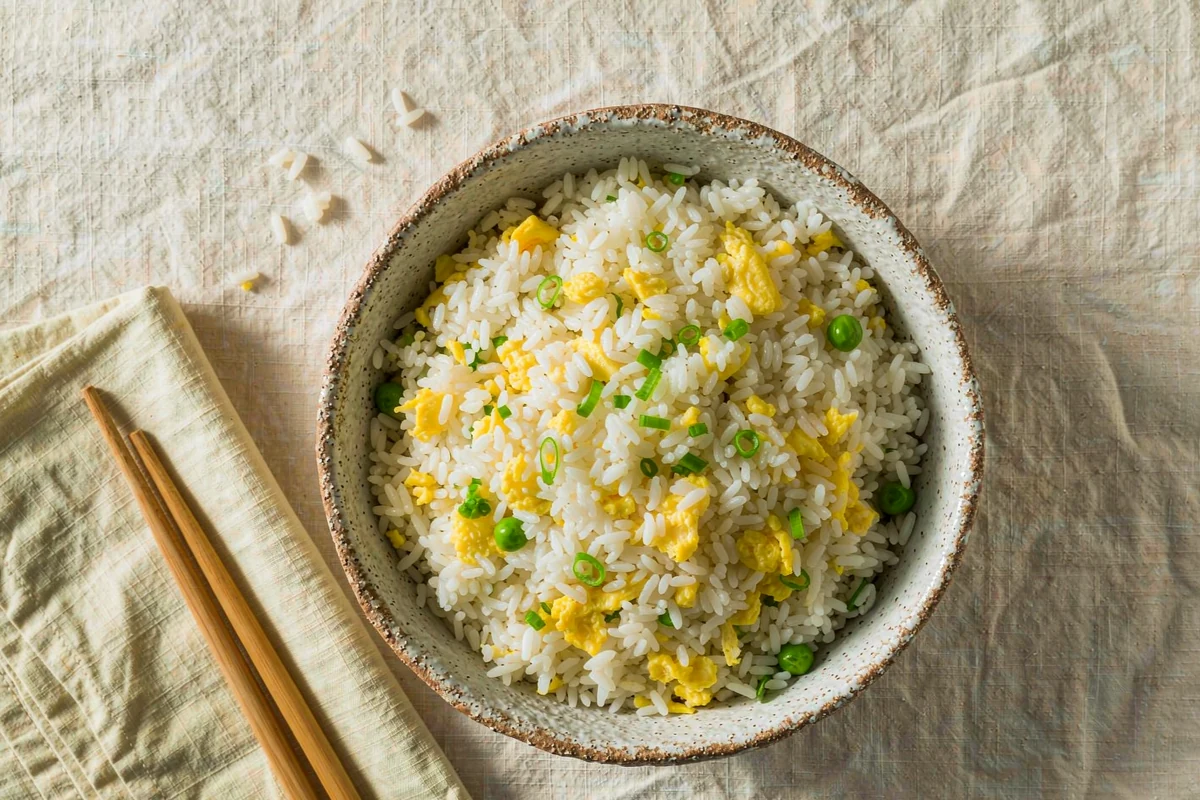
Cold leftover rice, two eggs and a hot wok turn into a fast supper with separate grains, soft egg curds and a clean scallion finish.
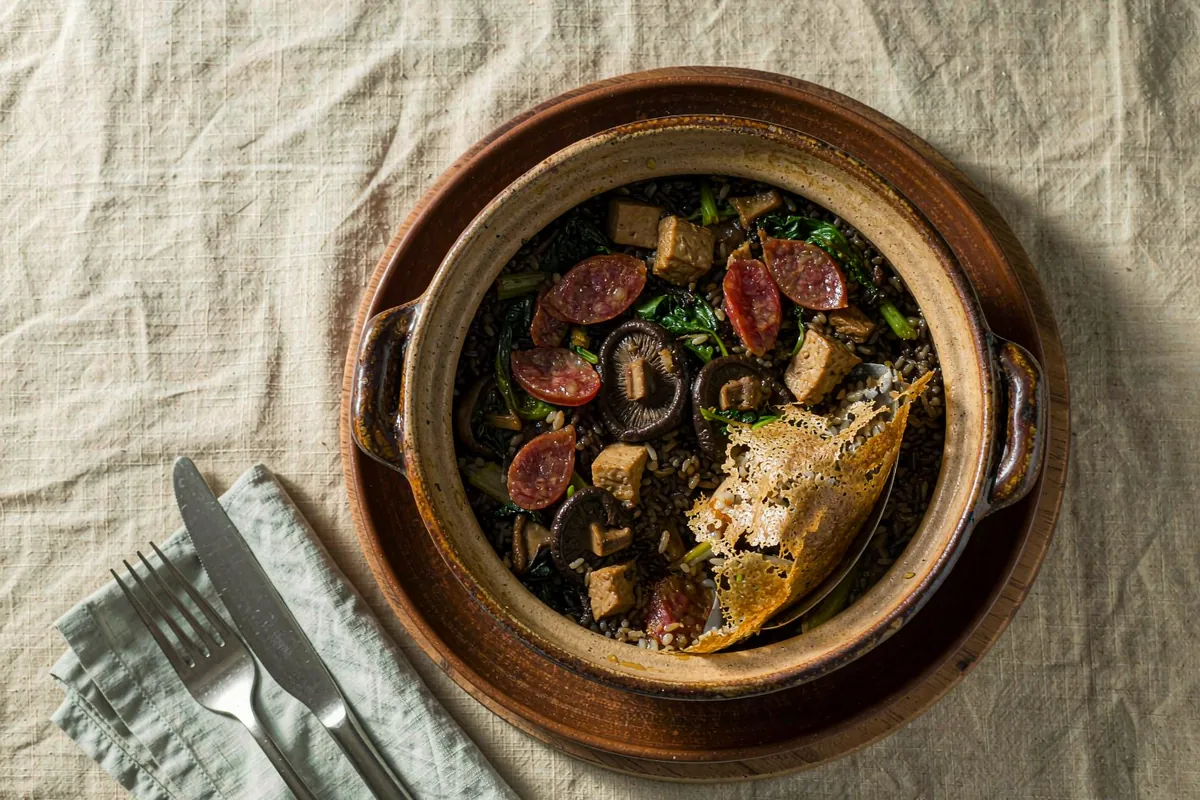
Rice simmered in a clay pot with lap cheong and shiitake, then rested until a thin golden crust forms and the sausage fat perfumes every grain.
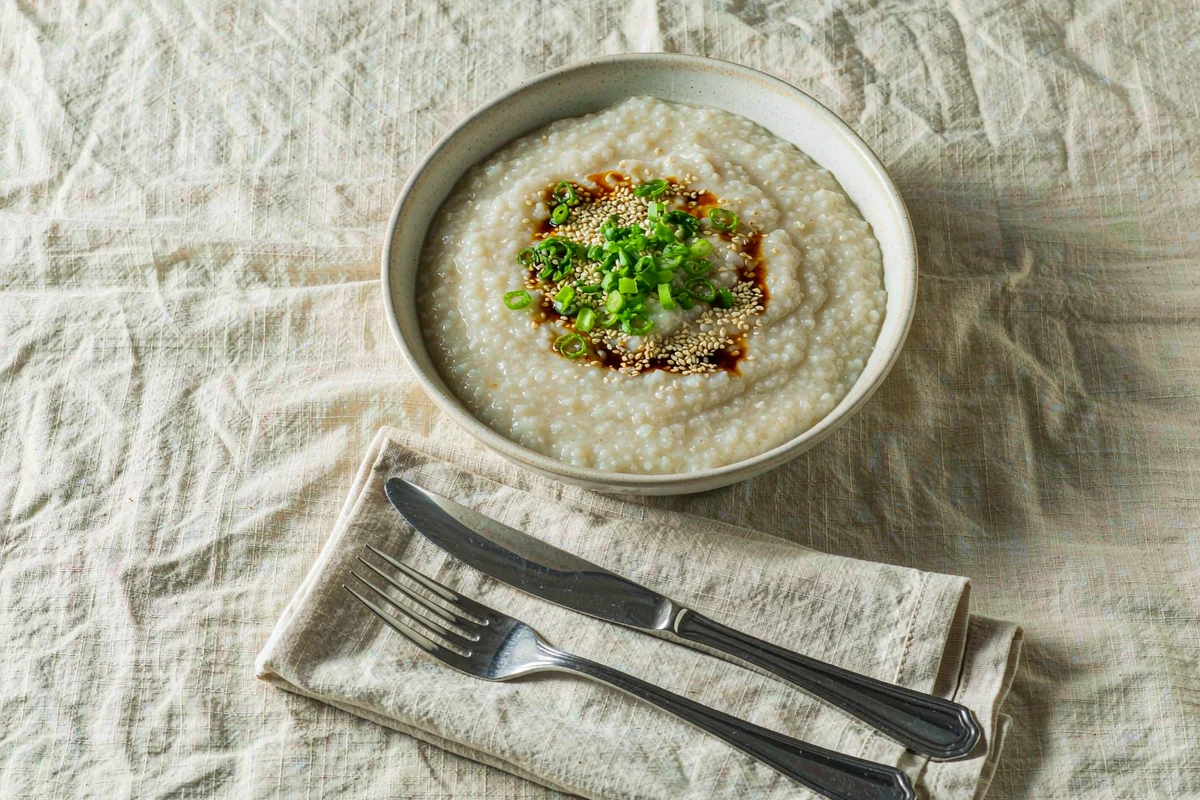
Long, gentle simmering breaks rice down into a silky, mildly sweet porridge with a glossy sheen, finished simply with scallions, sesame oil and a pinch of salt.